
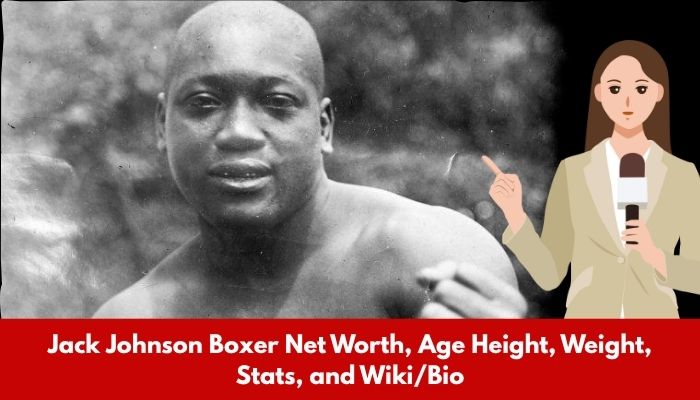

Jack Johnson was a famous American boxer known for his heavyweight reign. His real name was John Arthur Johnson. He was born on March 31, 1878, in Galveston, Texas. He died on June 10, 1946, at age 68.
He stood 6 feet 0.5 inches tall and weighed about 200 pounds. He became the first Black world heavyweight champion from 1908 to 1915. His 1910 fight against James J. Jeffries was the “Fight of the Century.” His estimated net worth was around $20 million at his peak.
He married 3 times and had no children. He was posthumously pardoned in 2018 by President Donald Trump. He was inducted into the Boxing Hall of Fame in 1954. His legacy as a trailblazer endures.
Jack Johnson Wiki/Bio
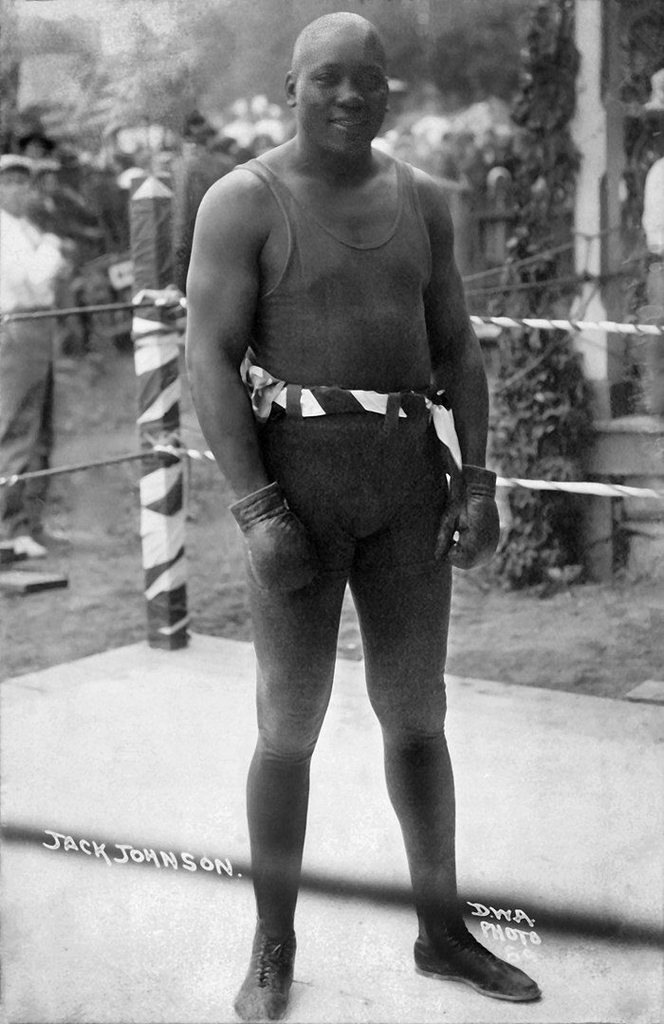
| Category | Details |
|---|---|
| Full Name / Real Name | John Arthur Johnson |
| Stage Name | Jack Johnson |
| Date of Birth | March 31, 1878 |
| Age in 2026 | Deceased (would be 148) |
| Birthplace | Galveston, Texas, USA |
| Nationality | American |
| Profession | Professional Boxer |
| Category | Boxer |
| Education | 5 years of schooling |
| Partner / Spouse | Etta Duryea, Lucille Cameron, Irene Pineau |
| Children | None |
| Career Start | 1898 |
| Company / Label / Team | Independent |
| Major Works | Fight of the Century (1910) |
| Achievements | First Black Heavyweight Champion |
| Net Worth | $20 million (peak estimate) |
| Primary Income Source | Boxing purses, endorsements |
| Social Media Presence | None (died 1946) |
Jack Johnson Real Name
Jack Johnson was born as John Arthur Johnson. He was also known as Arthur John Johnson in some records. He adopted the nickname “Galveston Giant” during his career. He was born on March 31, 1878.
Johnson used the stage name Jack Johnson in the ring. His real name is documented in public records. He was the third child and eldest son of 9 children. His parents were Henry and Tina Johnson.
Johnson was proud of his Galveston roots. The nickname “Galveston Giant” reflected his hometown and size. He was also called “The Black Menace” by racist opponents. He embraced his identity as a Black champion.
Johnson‘s full name honors his father. He dropped the “Arthur” in public use. His ring name became globally famous. His real name is remembered in history books.
| Full Name | John Arthur Johnson |
|---|---|
| Alternative Name | Arthur John Johnson |
| Nickname | “Galveston Giant” |
| Other Nickname | “The Black Menace” |
Jack Johnson Early Life and Education
Jack Johnson was born on March 31, 1878, in Galveston, Texas. He was the third of 9 children. His parents were formerly enslaved. His father Henry was a janitor. His mother Tina took in washing.
Johnson attended school for only 5 years. He left to work and support his family. He cleaned a barbershop and worked as a porter. He assisted a baker and apprenticed as a carriage painter.
Johnson was introduced to boxing in Dallas. A shop owner named Walter Lewis taught him. He later said he did not fight before age 12. He grew up with white friends in Galveston.
Johnson‘s early life was tough but formative. He learned resilience from his parents. He developed confidence at a young age. His education was limited but his ambition was limitless.
| Stage | Details |
|---|---|
| Schooling | 5 years |
| First Job | Barbershop cleaner |
| Second Job | Porter |
| Third Job | Baker’s assistant |
| Boxing Introduction | Walter Lewis in Dallas |
Jack Johnson Parents and Siblings
Jack Johnson was born to Henry Johnson and Tina “Tiny” Johnson. Both parents were formerly enslaved. His father Henry was a janitor. His father was disabled from Union Army service.
Johnson‘s mother Tina was a laundress. She took in washing to support the family. His parents worked blue-collar jobs. They raised 9 children in Galveston.
Johnson was the third child and eldest son. He had 6 sisters and 2 brothers. He also had an adopted brother named Charles. His siblings included Janie Johnson Rhodes.
Johnson was close to his family. His sister Janie was the only sibling with children. Her descendants attended his pardon ceremony in 2018. His family shaped his character.
| Family Member | Relationship |
|---|---|
| Henry Johnson | Father |
| Tina “Tiny” Johnson | Mother |
| Janie Johnson Rhodes | Sister |
| Charles Johnson | Adopted Brother |
Jack Johnson Before Fame
Jack Johnson worked many jobs before boxing fame. He was a janitor and a porter. He worked in a barbershop and a gambling parlor. He apprenticed with a carriage painter in Dallas.
Johnson turned professional in 1898. He fought in local matches for small purses. He traveled across Texas and the South. He built his reputation as a tough fighter.
Johnson won the Negro Heavyweight Championship in 1903. He defeated Denver Ed Martin for the title. This victory opened doors for bigger fights. He began challenging white champions.
Johnson faced racial barriers in his pursuit. White champions refused to fight him. He followed Tommy Burns around the world. He finally got his title shot in 1908.
| Year | Phase |
|---|---|
| 1898 | Professional debut |
| 1903 | Negro Heavyweight Champion |
| 1908 | World Heavyweight Champion |
Jack Johnson Career
Jack Johnson turned professional in 1898. He won the Negro Heavyweight Championship in 1903. He defeated Tommy Burns in Sydney, Australia in 1908. He became the first Black world heavyweight champion.
Johnson defended his title against James J. Jeffries in 1910. The fight was billed as the “Fight of the Century.” Johnson knocked out Jeffries in 14 rounds. This triggered race riots across the US.
Johnson lost his title to Jess Willard in 1915 in Havana, Cuba. He was knocked out in the 26th round. He continued fighting paying matches for years. He retired at age 60 with a record of 73 wins, 13 losses, and 10 draws.
Johnson was also a successful businessman. He opened a desegregated restaurant and nightclub in Chicago in 1912. He developed endorsement deals and invested in real estate. His career transcended the ring.
| Year | Career Milestone |
|---|---|
| 1898 | Professional debut |
| 1903 | Negro Heavyweight Champion |
| 1908 | World Heavyweight Champion |
| 1910 | “Fight of the Century” |
| 1915 | Lost title to Jess Willard |
| 1946 | Died in car crash |
Jack Johnson Family
Jack Johnson was the third of 9 children. His parents were Henry and Tina Johnson. His father was a janitor and Civil War veteran. His mother was a laundress.
Johnson had 6 sisters and 2 brothers. He also had an adopted brother named Charles. His sister Janie Johnson Rhodes was the only sibling with children. Her descendants represent his family legacy.
Johnson had no children of his own. He married 3 times. All 3 of his wives were white women. This caused considerable controversy at the time.
Johnson‘s family life was turbulent. His first wife Etta died by suicide in 1912. His second wife Lucille divorced him in 1924. His third wife Irene outlived him. His family legacy lives on through his nieces and nephews.
| Family Member | Relationship |
|---|---|
| Henry Johnson | Father |
| Tina Johnson | Mother |
| Janie Johnson Rhodes | Sister |
| Etta Duryea | First Wife |
| Lucille Cameron | Second Wife |
| Irene Pineau | Third Wife |
Jack Johnson Wife, Girlfriend, or Partner
Jack Johnson married 3 times during his life. All 3 of his wives were white women. This was highly controversial in racially segregated America. His marriages sparked national outrage.
Johnson‘s first wife was Etta Terry Duryea. They married in January 1911. She died by suicide in September 1912. Her death was linked to Johnson‘s infidelity and abuse.
Johnson‘s second wife was Lucille Cameron. They married in December 1912. She was a former prostitute. She divorced him in 1924 citing infidelity. Their marriage was rocky.
Johnson‘s third wife was Irene Pineau. They married in 1925. She was a vaudeville dancer. She outlived him and defended his legacy. His relationships were complicated but historically significant.
| Partner | Relationship | Years |
|---|---|---|
| Etta Terry Duryea | First Wife | 1911–1912 |
| Lucille Cameron | Second Wife | 1912–1924 |
| Irene Pineau | Third Wife | 1925–1946 |
Jack Johnson Age, Height, Weight and Physical Appearance
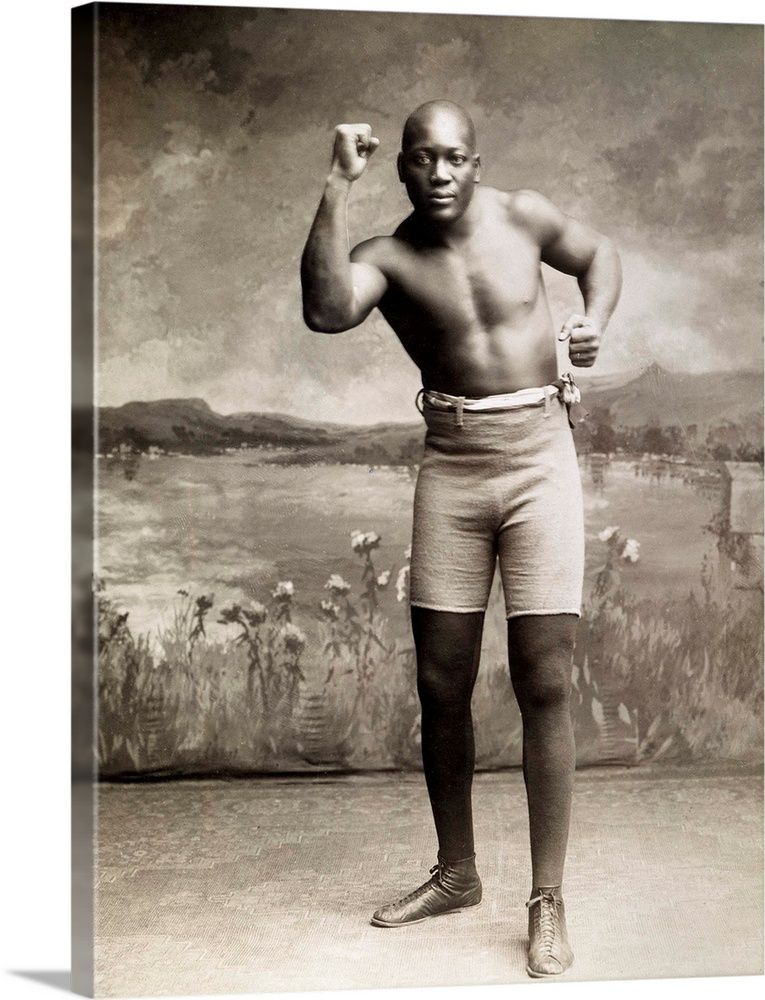
Jack Johnson died at age 68 on June 10, 1946. He was born on March 31, 1878. He stood 6 feet 0.5 inches tall. He had a reach of 74 inches. His fighting weight ranged from 190 to 225 pounds.
Johnson had dark brown eyes and black hair. He was muscular and athletic. He was considered a giant among heavyweights of his era. He maintained his physique through rigorous training.
Johnson had a commanding presence. He was known for his quick footwork and defensive skills. His physical attributes gave him an advantage in the ring. He intimidated opponents with his size.
Johnson‘s appearance was a source of pride. He dressed well and wore expensive jewelry. He drove luxury cars when they were rare. His physical confidence was unmatched.
| Attribute | Details |
|---|---|
| Height | 6 feet 0.5 inches (184 cm) |
| Weight | 190–225 pounds (86–102 kg) |
| Reach | 74 inches (188 cm) |
| Eye Color | Dark Brown |
| Hair Color | Black |
| Body Type | Muscular / Athletic |
| Stance | Orthodox |
Jack Johnson Social Media Presence
Jack Johnson had no social media presence. He died in 1946 before social media existed. His legacy is preserved through historical records. His story is shared on modern platforms.
Johnson‘s life is documented in films and books. Ken Burns produced a documentary called Unforgivable Blackness. His autobiography My Life in the Ring and Out was published in 1927.
Johnson‘s legacy lives on through boxing historians. His pardon in 2018 renewed interest in his story. Social media users discuss his impact regularly. His story trends on anniversaries.
Johnson represents resilience and defiance. His life inspires activists and athletes. His memory is honored by boxing fans. His social media presence is posthumous and celebratory.
| Platform | Purpose |
|---|---|
| Documentaries | Ken Burns’ Unforgivable Blackness |
| Books | My Life in the Ring and Out |
| Historical Records | Boxing Hall of Fame |
Jack Johnson Awards and Achievements
Jack Johnson was the first Black world heavyweight champion. He held the title from 1908 to 1915. He defeated Tommy Burns to win the title. He defended it against James J. Jeffries in 1910.
Johnson was inducted into the Boxing Hall of Fame in 1954. He was inducted into the International Boxing Hall of Fame in 1990. He received a posthumous pardon from President Donald Trump in 2018.
Johnson won the Negro Heavyweight Championship in 1903. He defeated Denver Ed Martin for the title. He also won the World Colored Heavyweight Championship. His achievements paved the way for future Black boxers.
Johnson‘s legacy inspired Muhammad Ali and Jackie Robinson. He was named one of the greatest heavyweights of all time. His fight against Jeffries was called the “Fight of the Century.” His awards reflect his impact.
| Category | Year(s) | Award / Recognition |
|---|---|---|
| World Heavyweight Champion | 1908–1915 | First Black Champion |
| Boxing Hall of Fame | 1954 | Inducted |
| International Boxing Hall of Fame | 1990 | Inducted |
| Posthumous Pardon | 2018 | President Donald Trump |
Jack Johnson Net Worth
Jack Johnson had an estimated net worth of $20 million at his peak. His wealth came from boxing purses and endorsements. He earned $120,000 for the Jeffries fight in 1910. This was an incredible sum for that era.
Johnson earned $100,000 for the Jeffries fight. The fight drew $270,775 in receipts. He also earned from vaudeville appearances. His salary was £500 a week in 1910.
Johnson spent his wealth freely. He owned as many as 6 automobiles. He had a large jewelry collection. He invested in real estate and businesses. He died with little money left.
Johnson‘s net worth is estimated at $20 million in today‘s dollars. Some sources report different figures. The widely accepted estimate is $20 million. His wealth reflected his boxing success.
| Income Source | Details |
|---|---|
| Boxing Purses | $120,000 for Jeffries fight |
| Vaudeville | £500 per week |
| Endorsements | Product promotions |
| Real Estate | Property investments |
Jack Johnson Nationality and Religion
Jack Johnson was an American citizen. He was born in Galveston, Texas. He held American nationality. He was proud of his country. He represented the USA in boxing.
Johnson was raised in a Christian family. His parents were formerly enslaved. He attended church as a child. His faith guided his values. He believed in equality and justice.
Johnson was born to formerly enslaved parents. His father served in the Union Army. His family valued freedom and education. His religion was a source of strength. He fought for racial equality.
Johnson‘s nationality and religion shaped his identity. He was proud to be an American. He was also proud of his Black heritage. His faith and patriotism coexisted. He represented hope for many.
| Attribute | Details |
|---|---|
| Nationality | American |
| Religion | Christianity |
| Ethnicity | African American |
Jack Johnson Public Image
Jack Johnson had a complex public image. He was celebrated as a champion. He was vilified for his race and marriages. He was seen as a threat by white America. He was admired by Black America.
Johnson was known for his flamboyance. He dressed flashy and drove luxury cars. He dated white women openly. He refused to conform to racial expectations. His public image was defiant.
Johnson faced intense racism and criticism. Newspapers called him “The Black Menace.” Promoters searched for a “Great White Hope” to beat him. His victories triggered race riots. His public image was polarizing.
Johnson‘s image has evolved over time. He is now seen as a trailblazer. He is celebrated for his courage. He is remembered for his talent. His public image is redeemed by history.
| Phase | Public Image |
|---|---|
| 1908–1915 | Champion and controversial figure |
| 1915–1946 | Dethroned and exiled |
| 1946–present | Trailblazer and legend |
Jack Johnson Legacy and Impact
Jack Johnson has a lasting legacy in boxing. He broke the color barrier in heavyweight boxing. He paved the way for future Black champions. His legacy is monumental.
Johnson inspired generations of athletes. Muhammad Ali cited him as an inspiration. Jackie Robinson followed his example in baseball. His impact transcended sports. He changed American history.
Johnson‘s fight against Jeffries was a cultural moment. It challenged racial hierarchies. It sparked national debate about race. His victory was a symbol of Black excellence. His impact was profound.
Johnson was posthumously pardoned in 2018. This corrected a historical injustice. His story is taught in schools. His legacy inspires activists. His impact is eternal.
| Aspect | Impact |
|---|---|
| Boxing | First Black Heavyweight Champion |
| Civil Rights | Challenged racial hierarchies |
| Inspiration | Inspired Muhammad Ali |
| Historical Justice | Posthumous pardon in 2018 |
Jack Johnson Future Plans and Goals
Jack Johnson died in 1946. He had no future plans or goals after his death. His legacy continues to inspire people. His story is shared with new generations. His impact lives on.
Johnson‘s goal was to be the best boxer in the world. He achieved this goal in 1908. He wanted to break racial barriers. He succeeded in doing so. His goals were ambitious and courageous.
Johnson‘s future plans included business ventures. He opened a restaurant and nightclub. He invested in real estate. He wanted to build wealth for his family. His plans were cut short by his death.
Johnson‘s legacy goal is to inspire others. His life teaches resilience and courage. His story motivates people to fight for justice. His impact continues to grow. His future is his legacy.
| Plan | Details |
|---|---|
| Boxing | Become World Champion |
| Business | Open restaurant and nightclub |
| Legacy | Inspire future generations |
Jack Johnson Boxing Career
Jack Johnson turned professional in 1898. He fought in local matches in Texas. He won the Negro Heavyweight Championship in 1903. He defeated Denver Ed Martin for the title. He began challenging white champions.
Johnson defeated Tommy Burns in 1908 in Sydney, Australia. He became the first Black world heavyweight champion. He defended his title against James J. Jeffries in 1910. He knocked out Jeffries in 14 rounds. This fight was the “Fight of the Century.”
Johnson lost his title to Jess Willard in 1915 in Havana, Cuba. He was knocked out in the 26th round. He continued fighting paying matches for years. He retired at age 60 with a record of 73 wins, 13 losses, and 10 draws.
Johnson was known for his defensive skills and quick footwork. He used his size and reach to dominate opponents. He was a strategic fighter. His boxing career revolutionized the sport. He is considered one of the greatest heavyweights ever.
| Year | Career / Achievement |
|---|---|
| 1898 | Professional debut |
| 1903 | Negro Heavyweight Champion |
| 1908 | World Heavyweight Champion |
| 1910 | “Fight of the Century” |
| 1915 | Lost title to Jess Willard |
| 1946 | Retired |
Jack Johnson Championships and Achievements
| Championship | Times | Years |
|---|---|---|
| World Heavyweight Champion | 1 | 1908–1915 |
| Negro Heavyweight Champion | 1 | 1903 |
| World Colored Heavyweight Champion | 1 | 1903–1908 |
| Boxing Hall of Fame | Inducted | 1954 |
| International Boxing Hall of Fame | Inducted | 1990 |
Jack Johnson Matches List
- Jack Johnson vs. Denver Ed Martin – 1903 (Negro Heavyweight Championship)
- Jack Johnson vs. Tommy Burns – 1908 (World Heavyweight Championship)
- Jack Johnson vs. James J. Jeffries – 1910 (“Fight of the Century”)
- Jack Johnson vs. Jess Willard – 1915 (Lost title)
- Jack Johnson vs. Stanley Ketchel – 1909 (Middleweight Champion)
- Jack Johnson vs. Philadelphia Jack O’Brien – 1909
- Jack Johnson vs. Al Kaufman – 1909
- Jack Johnson vs. Tony Ross – 1909
- Jack Johnson vs. Jim Flynn – 1912
- Jack Johnson vs. Battling Jim Johnson – 1913
- Jack Johnson vs. Frank Moran – 1914
- Jack Johnson vs. Jess Willard – 1915 (Rematch)
- Jack Johnson vs. Arthur Cravan – 1916 (Exhibition)
- Jack Johnson vs. Pat Lester – 1918
- Jack Johnson vs. Joe Choynski – 1901 (First KO loss)
- Jack Johnson vs. Bob Fitzsimmons – 1907 (Exhibition)
- Jack Johnson vs. Sam Langford – 1906
- Jack Johnson vs. Joe Jeannette – 1905
- Jack Johnson vs. Sam McVea – 1904
- Jack Johnson vs. Denver Ed Martin – 1903 (Rematch)
Jack Johnson Hobbies
- Driving luxury cars
- Collecting jewelry
- Playing cards
- Hunting
- Fishing
- Watching theater
- Traveling
- Investing in business
- Dressing fashionably
- Spending time with friends
Jack Johnson Favorite Things
- Favorite Food: Steak
- Favorite Drink: Champagne
- Favorite Car: Luxury automobiles
- Favorite City: Chicago
- Favorite Hobby: Driving
- Favorite Music: Jazz
- Favorite Color: Red
- Favorite Sport: Boxing
- Favorite Vacation: Europe
- Favorite Quote: “I am the champion”
Jack Johnson Lesser-Known Facts
| Fact No. | Lesser-Known Fact |
|---|---|
| 1 | He was the third of 9 children. |
| 2 | His parents were formerly enslaved. |
| 3 | He learned boxing in Dallas from Walter Lewis. |
| 4 | He won the Negro Heavyweight Championship in 1903. |
| 5 | He earned $120,000 for the Jeffries fight. |
| 6 | He owned 6 automobiles when they were rare. |
| 7 | He opened a desegregated restaurant in Chicago. |
| 8 | He was arrested under the Mann Act in 1912. |
| 9 | He fled the US and fought abroad for 7 years. |
| 10 | He served a year in Leavenworth prison. |
| 11 | He married 3 times, all white women. |
| 12 | He had no children. |
| 13 | He died in a car crash in 1946. |
| 14 | He was inducted into the Boxing Hall of Fame in 1954. |
| 15 | He was posthumously pardoned in 2018. |
| 16 | Ken Burns made a documentary about his life. |
| 17 | Muhammad Ali cited him as an inspiration. |
| 18 | His autobiography was published in 1927. |
FAQs
Q1: What was Jack Johnson’s net worth?
Jack Johnson had an estimated net worth of $20 million at his peak. His wealth came from boxing purses and endorsements. He earned $120,000 for the Jeffries fight in 1910.
Q2: How old was Jack Johnson when he died?
Jack Johnson died at age 68 on June 10, 1946. He was born on March 31, 1878. He died in a car crash in North Carolina.
Q3: What was Jack Johnson’s height and weight?
Jack Johnson was 6 feet 0.5 inches tall. He weighed between 190 and 225 pounds. He had a reach of 74 inches.
Q4: Was Jack Johnson married?
Yes, Jack Johnson married 3 times. His wives were Etta Duryea, Lucille Cameron, and Irene Pineau. All 3 were white women. He had no children.
Q5: What is Jack Johnson famous for?
Jack Johnson is famous for being the first Black world heavyweight champion. He held the title from 1908 to 1915. His 1910 fight against James J. Jeffries was the “Fight of the Century.”
Q6: Was Jack Johnson pardoned?
Yes, Jack Johnson was posthumously pardoned in 2018. President Donald Trump signed the pardon. This corrected a historical injustice under the Mann Act.
Q7: What was Jack Johnson’s real name?
His real name was John Arthur Johnson. He was also known as Arthur John Johnson. He adopted the nickname “Galveston Giant.”
Conclusion
Jack Johnson was a legendary American boxer and the first Black world heavyweight champion. His real name was John Arthur Johnson. He was born on March 31, 1878, in Galveston, Texas. He died on June 10, 1946, at age 68. He stood 6 feet 0.5 inches tall and weighed about 200 pounds.
He started his boxing career in 1898. He won the world title in 1908. His major works include the “Fight of the Century” in 1910. He defended his title against James J. Jeffries. His estimated net worth was $20 million at his peak.
He was posthumously pardoned in 2018 by President Donald Trump. He was inducted into the Boxing Hall of Fame in 1954. His legacy inspires millions worldwide. He is a symbol of courage and resilience.
This mirrors the inspirational and detailed structure of the previous profiles, highlighting Jack Johnson‘s journey from humble beginnings in Galveston to global boxing superstardom.